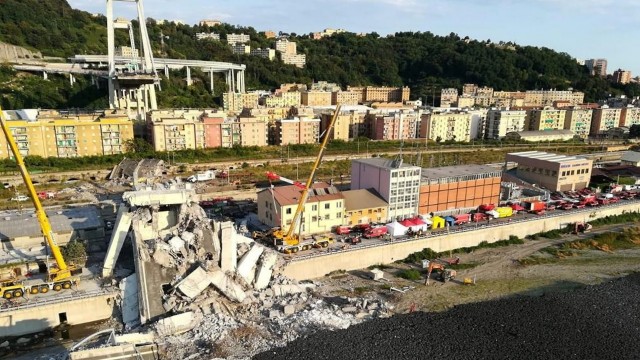
A deep dive into the engineering of the Morandi Bridge and what might have caused it to collapse, killing 43 people, in August 2018.
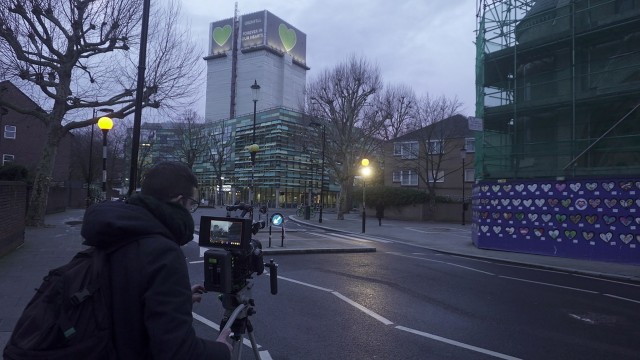
The story of the engineering, design and sociopolitical factors that led to the catastrophic 2017 Grenfell Tower fire that killed 72 people in London.
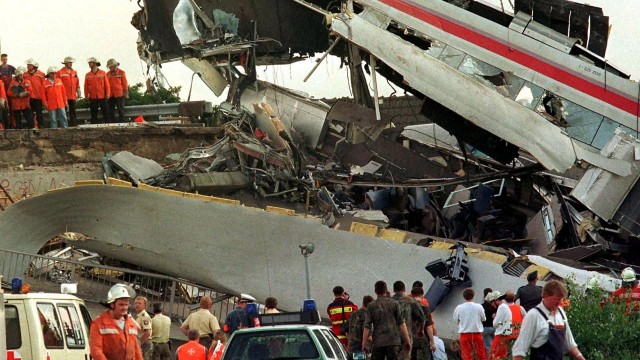
An in depth review of Germany’s worst ever rail disaster and the engineering oversights that allowed it to happen.
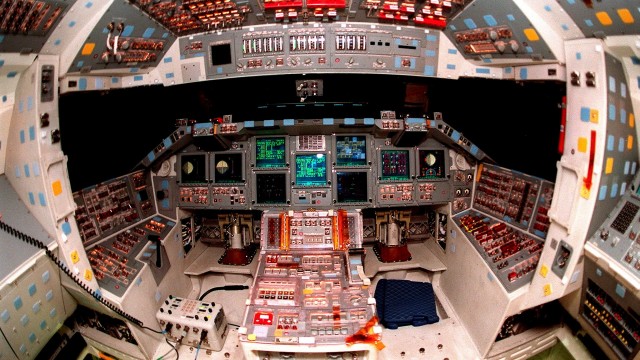
The story of the shuttle challenger disaster and the engineering and operation oversights that caused the shuttle to break apart in the sky as millions of Americans watched live.
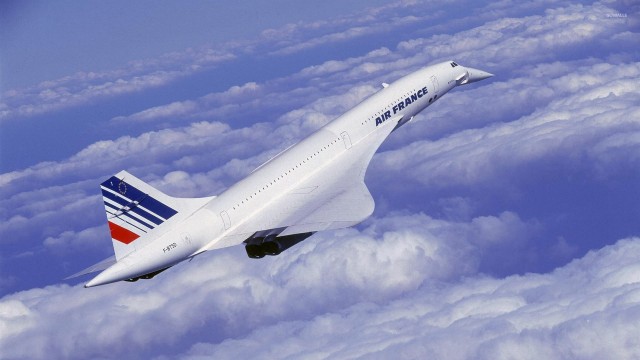
The story of how the supersonic Concorde aircraft crashed and burned into the aviation history books.
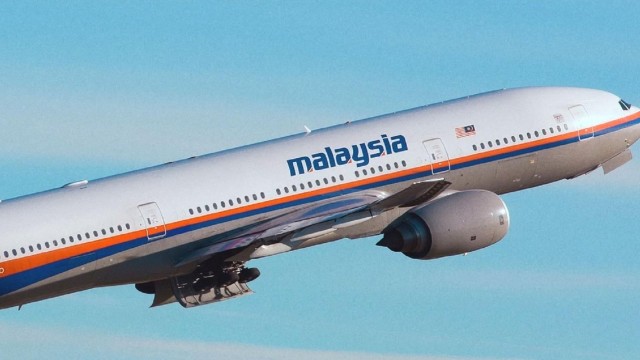
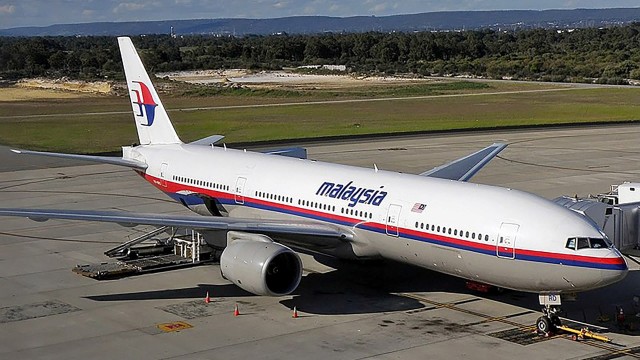
Top aviation experts share their theories about the mysterious whereabouts and final fate of Malaysia Airlines MH370.
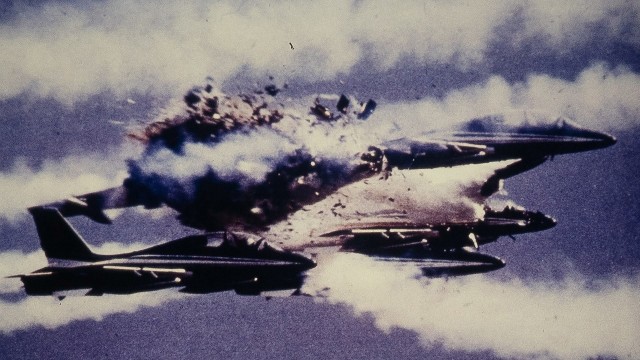
The story of one of the worst air show disasters of all time, when a mid-air collision by the Italian air force’s display team sent burning planes into a massive crowd gathered to watch an air show at the U.S. air base in Ramstein Germany. 70 people died and hundreds were injured.
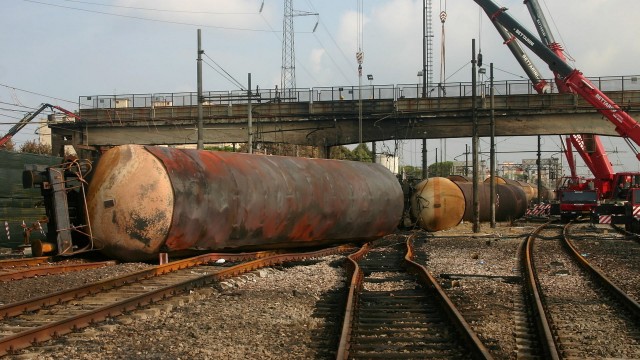
The story of the worst rail disaster in Italian history, when on June 29th 2009 a tanker train derails and then explodes in the seaside Tuscan town of Viareggio, killing 34.
What happened to flight MH17, from Amsterdam to Kualalumpur? On July 17, 2014, was literally blown out of the sky. over the Ukrainian town of Hrabove close to the front line in the Donetsk region where Russian backed rebels clashed with the Ukrainian army. This episode tracks the missile that shot it down and unravels the mystery of who was behind it.
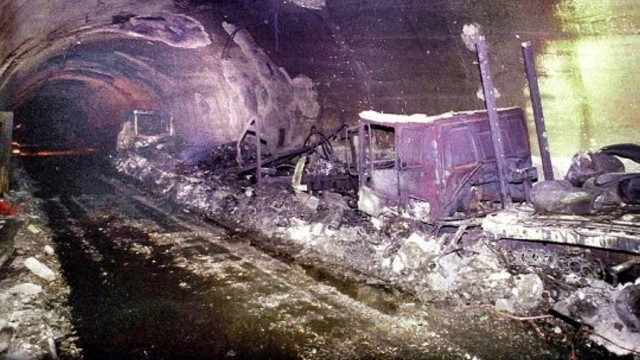
A devastating fire in 1999 killed 39 people inside the tunnel that runs under Mont Blanc, between Italy’s Valle d’Aosta and France’s Chamonix. This is the story of why an engineering marvel turned out to be a deadly fire trap.
The July 24th 2010 disaster at the Duisburg Love Parade electronic dance music festival that left 21 young people crushed to death changed the way crowds are handled forever. But could it have been prevented with better planning and event management?
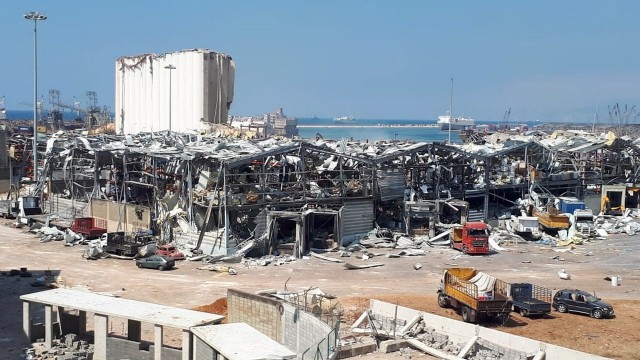
A massive blast and the devastating shock wave that followed left more than 200 dead, 600 wounded and 300,000 without homes on August 4, 2020 after a warehouse of ammonium nitrate exploded in the port of Beirut, Lebanon. The shock wave from the massive blast destroyed large swaths of the oldest parts of the city and sank16 ships.
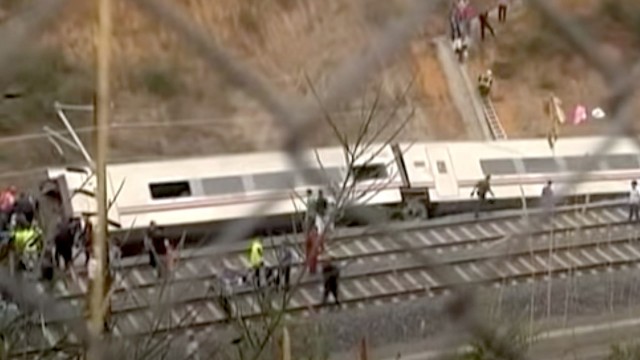
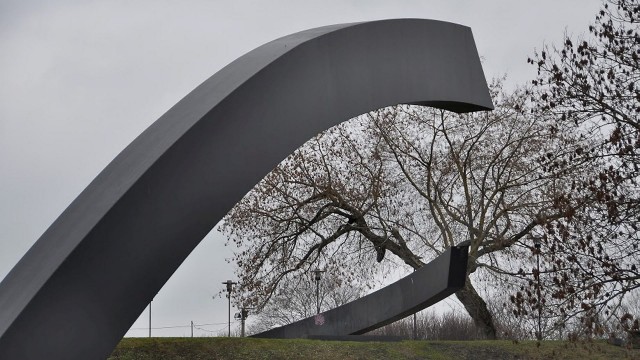
The story of the worst high-speed rail disaster in Spanish history, when on July 24th 2013 a high-speed train derailed on a curve just outside the railway station of Santiago de Compostela, killing 79 people. Nearly a decade later, justice for the family members of the victims remains elusive, with the trial still grinding slowly through the Spanish courts.
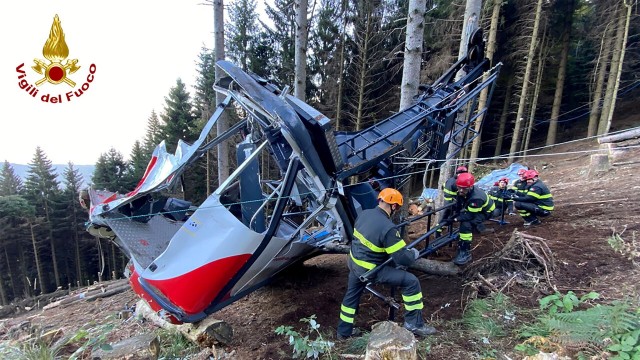
It was one of the worst cable car disasters in Italy: A cable car crashed to the ground, killing 14 out of 15 passengers. The only survivor was a 5-year-old Israeli child whose parents did not survive.
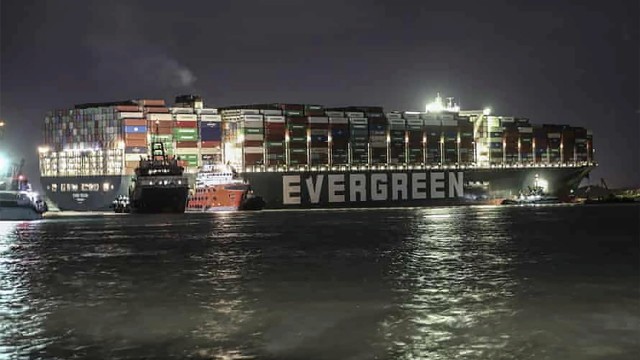
The grounding of the Ever Given mega container ship in the middle of the Suez Canal on March 23, 2020 delayed billions in trade and highlighted the fragility of global supply chains. It took six days and two of the most powerful tugs in the world to pull the massive ship carrying nearly 20,000 containers free from the sand banks where she was wedged.
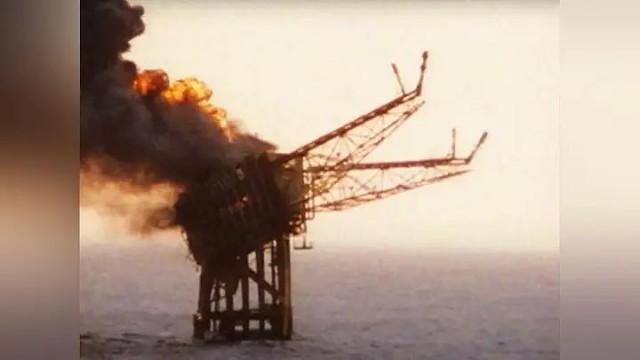
120 miles north of Aberdeen, Scotland, in the North Sea, the Piper Alpha oil rig exploded and sank on July 6, 1988, killing 165 of the men on board and two rescue workers whose ship was trapped in the burning, disintegrating rig. 61 workers managed to save themselves and survived. Some of them tell their story here.
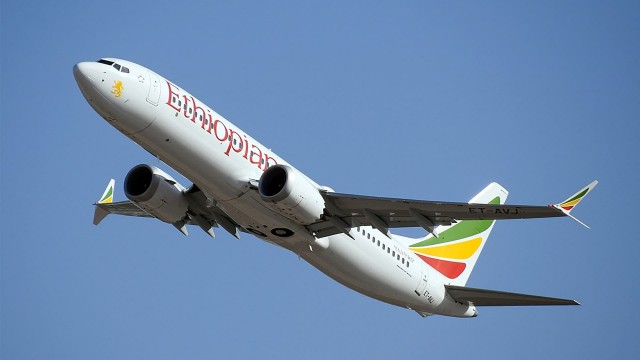
The Ethiopian Airways Flight 302 was a scheduled international passenger flight from Addis Ababa, Ethiopia to Nairobi, Kenya which crashed six minutes after takeoff, killing all 157 people aboard. It is Ethiopia’s deadliest accident ever, and was the second MAX 8 accident in less than five months after the October 2018 Lion Air Flight 610 crash in Indonesia. This story investigates the computer error that led to the eventual grounding of the jet.
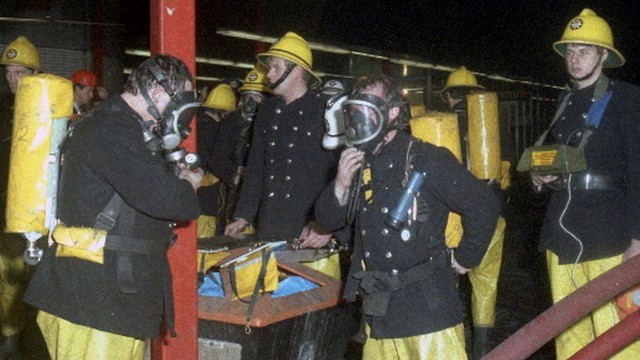
The story of the deadly Kings Cross fire on the Piccadilly line of the London Underground on November 18th, 1987. A simple cigarette butt or match falling into the space between the wooden escalator and the highly greased mechanism may have started the inferno that killed 31 and severely burned 143 people commuting through the tube station that day.
The Germanwings flight GWI18G took off from El Prat airport near Barcelona, Spain, 26 minutes late at 10.01 am on the 24th of March 2015. Approximately an hour into the flight towards Dusseldorf, Germany, it began a slow descent from a 36000-foot cruising altitude until it crashed into a mountainside in an isolated region north of Nice in France. The air traffic controllers had been unable to contact the flight from when it began its unauthorized descent and lost contact with it on impact. All aboard were killed. As soon as the black box was recovered the investigation very quickly focused on the copilot Andreas Lutz: his patchy psychological history and especially a letter from his doctor giving him work leave to cure his “suicidal tendencies” alerted the authorities to what might have gone wrong.
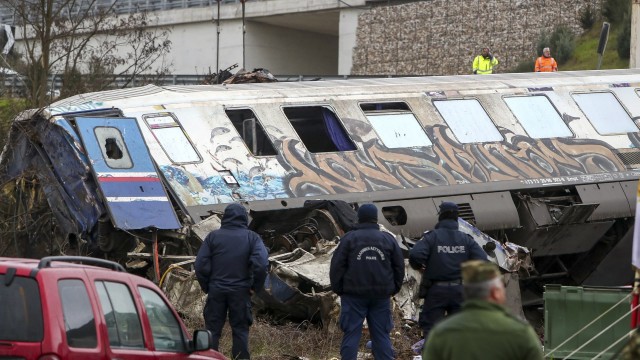
It was the 28th of February 2023, 11.21 pm, Tempe Valley, Greece. High-speed Intercity train IC62 headed north from Athens to Thessaloniki, into a freight train headed in the opposite direction on the same line. Fifty-seven people died. It was the worst train crash in Greek history. It was caused by faulty points and a distracted station master, according to initial reports, but there was more to the accident than human error. The station ledger shows that the stationmaster knew they were on the same track at least 17 minutes before impact. Why he did nothing is one of the great mysteries of this catastrophe.
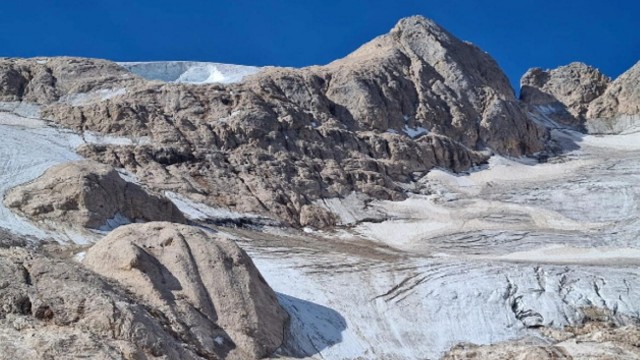
It was the 3rd of July 2022 when ten thousand cubic meters of the lower segment of a glacier on the Marmolada Mountain located in the Dolomites in northern Italy, collapsed onto a popular hiking trail and killed eleven people. This documentary looks at the new normal in the high mountain ranges due to climate change and the safety implications: could 10°C at more than 3000-meter altitude have signaled potential danger and how are glaciers monitored for safety? Global warming has reduced snowfall in high mountain ranges and glaciers worldwide have shrunk, but what happens under the glacier sheet is of greater concern – with melting ice turning to water and eroding the interface between rock and the glacier. Interviewees include glacier experts from Italy and Spain, mountain guides, and geophysicists from Germany, Switzerland, and Italy.
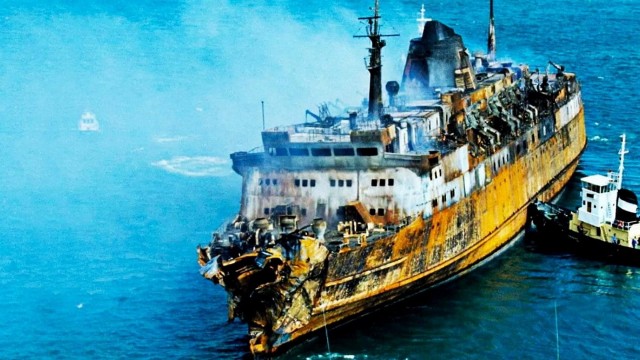
The fire that killed 140 passengers aboard the ferry Moby Prince in 1991 remains one of the greatest mysteries in nautical history. It was the 10th of April 1991, and the ferry Moby Prince left the port of Livorno for Olbia in Sicily. Shortly after leaving its moorings, it crashed into the oil tanker Agip Abruzzo, whose light Iranian oil poured into the ferry and started a fire. All 140 people aboard died. Only one 23-year-old crew member survived. The initial investigation found serious fault with the captain of the Ferry, but twenty-five years later a Parliamentary Commission found that there was much more to the tragedy than the initial investigation found.
The sinking of the MS Estonia on Wednesday, 28 September 1994 is the deadliest peacetime sinking of a European ship, after the Titanic, in 1912. The aging ferry was crossing the Baltic Sea in rough weather on the route from Tallinn, Estonia to Stockholm, Sweden when it was lost, killing 852 people, out of the 989 who were aboard. The victims were mostly Swedish and Estonian, though the total number of victims included individuals from 17 different counties – their bodies remain with the wreck, a sea grave that now has protected status, and has been partially entombed by the Swedish government. This episode delves deep into the engineering failures behind Europe’s most deadly modern-day maritime disaster and details the improvements in ferry safety regulations and life-raft design that came about as a result of the disaster.
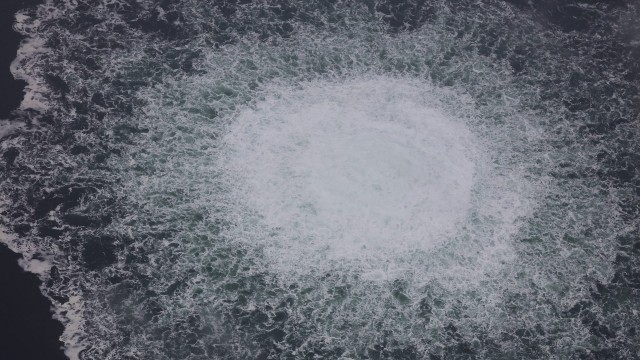
The Nordstream pipelines run from deep in Northern Siberia to Greifswald on the Baltic coast of Germany. They are twin lines – Nordstream 1 and 2 and lie between 60- and 80-meters depth. On the 26th of September 2022, at 2.03 in the morning, the first of two explosions was registered as seismic activity on the Baltic Sea floor near the Danish Island of Bornholm, by the Geological Survey of Denmark; this was followed by a second explosion at 19.03. Who was to blame? Accusations and counter-accusations flourished – Russia blaming the British and American secret services, the West reporting suspicious activity by Russian ships a few days before the blast. None of the many hypotheses has yet been confirmed, but the case remains a fascinating spy and engineering story.
The story of the 2023 implosion of the Titan mini submersible created and operated by the American underwater-tourism company OceanGate. The Titan was the world’s first privately-owned submersible and was transporting paying customers to the wreck of the Titanic, but during its first 2023 expedition imploded, killing all five occupants, including a father and son, a British businessman, a Titanic expert deep diver and OceanGate founder Stockton Rush, who was at the helm. A massive international search and rescue operation ended when debris from the titanium and carbon fiber composite sub was found some 500 metres from the bow of the Titanic.
On August 18, 2024, a superyacht with one of the the highest aluminum masts in the world sank in a freak storm off the coast of Porticello, Sicily. Seven people died trapped below deck, including British tech mogul Mike Lynch and his teenage daughter, Hannah and two other couples on a celebratory cruise. Design flaws and possible fatal mistakes by the crew are part of an ongoing investigation of how this supposedly “unsinkable” vessel with its high-profile passengers sunk to 160 feet at the bottom of the Mediterranean in just minutes.
The sinking of the Adriana migrant boat on June 14, 2023, in Greece near Pylos was one of the worst shipwrecks in the last decade in Europe, yet a shameful silence surrounds the incident, in which more than 500 people are suspected to have died, including 100 children trapped in the hold. Just 82 bodies were recovered. And only 104 survived – many of whom said the Greek Coast Guard was attempting a dangerous tow of the overcrowded and rickety vessel when it overturned.
In 2021, at least 185 people died in heavy flooding in Germany, and in 2024 more than 200 died in devastating flash floods that hit eastern Spain in the Valencia region, where a year’s worth of rain fell in eight hours. They are Europe’s worst storm-related disasters in over five decades, but meteorologists warn that human-caused climate change is making such extreme weather events more common and more deadly.
On March 26, 2024, the Dali container ship lost power as it pulled out of the port in Baltimore, before striking the Francis Scott Key bridge, which collapsed and plunged into the water, killing six people working on the bridge. The ship was shown to have serious problems and bad fixes that caused malfunctions in the propeller, rudder, anchor, and bow thruster as the crew struggled, and ultimately failed, to avoid disaster. It was, essentially, unseaworthy, yet carrying 4,700 containers en route to Sri Lanka. The stricken ship and the fallen bridge blocked the channel and severed a transportation artery, bringing maritime business at one of the nation’s busiest ports to a halt. It is a landmark case that may change maritime shipping safety standards forever.
On February 22, 2024, a fire broke out in a 14-story luxury residential complex in Valencia, Spain. Strong winds, flammable building materials, and a stack effect led to the complete destruction of the 138-apartment tower block. Amazingly, only 10 people died, though the fire’s dynamics closely mirrors the 2017 Grenfell Tower fire in London, where 70 people died. Both buildings, and many others like them, were covered in aluminium composite cladding, consisting of a layer of plastic sandwiched between two aluminium sheets. Cladding is often installed on large tower blocks to make them more energy efficient, protect them from rain, or improve their look, but how much of this cladding is unsafe? This episode delves into the science behind this little-known public danger.